

Recovering from a stroke can be a challenging journey, both physically and emotionally. The damage caused by a stroke can lead to partial or complete paralysis, affecting mobility, speech, and daily functioning. However, with the right guidance, therapies, and care, patients can regain independence and improve their quality of life. This is where a specialized Paralysis Rehabilitation Centre in Hyderabad can play a vital role.
Understanding Paralysis After a Stroke
Paralysis occurs when the brain is unable to send proper signals to muscles due to nerve damage caused by a stroke. The severity of paralysis depends on the extent and location of the brain injury. It can affect one side of the body (hemiplegia), both legs (paraplegia), or all four limbs (quadriplegia).
Early intervention is crucial in post-stroke rehabilitation. The brain has a remarkable ability to rewire itself through a process called neuroplasticity, which enables recovery of lost functions when supported by structured therapies.
Why Specialized Rehabilitation is Important
A Paralysis Rehabilitation Centre in Hyderabad provides a focused environment for stroke survivors. General physiotherapy might help with basic mobility, but post-stroke rehabilitation requires a multidisciplinary approach. The benefits include:
- Personalized Therapy Plans: Each patient receives therapy tailored to their specific needs, considering the type and severity of paralysis.
- Comprehensive Care: The centre provides physiotherapy, occupational therapy, speech therapy, psychological counseling, and nutrition guidance.
- Advanced Equipment: Use of modern tools like robotic-assisted therapy, electrical stimulation devices, and gait training systems accelerates recovery.
- Expert Supervision: Qualified neurologists, physiotherapists, and rehabilitation specialists guide patients throughout the recovery process.
Types of Therapies in Post-Stroke Rehabilitation
Physiotherapy
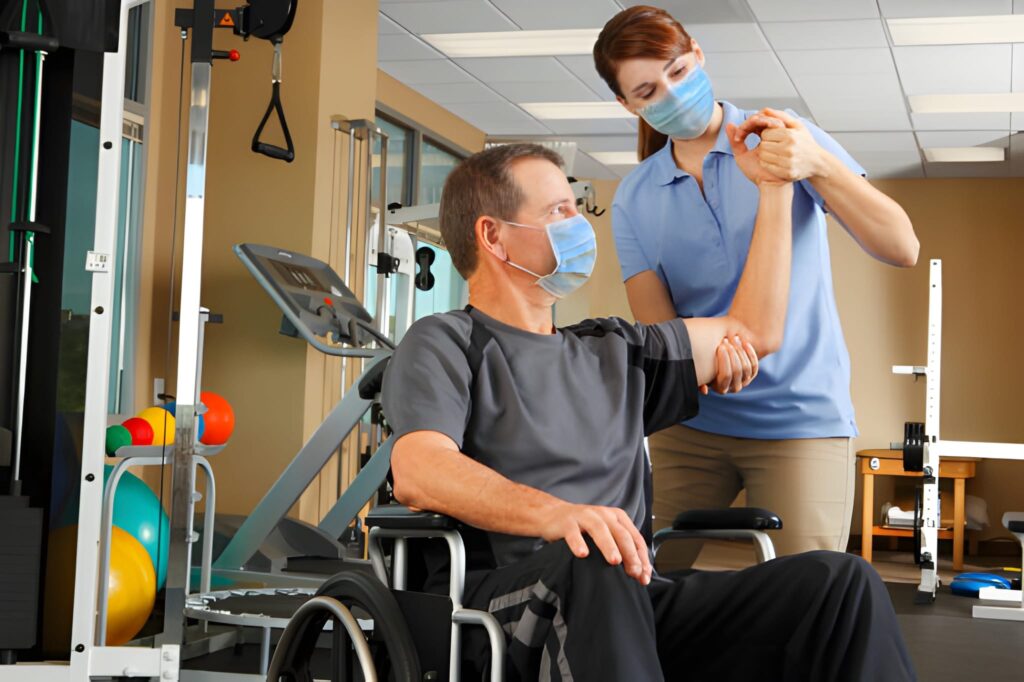
Physiotherapy focuses on restoring movement, strength, and balance. Stroke patients often lose coordination in affected limbs, making simple tasks difficult. Techniques used include:
- Passive and active exercises to improve joint flexibility
- Strength training for weak muscles
- Balance and gait training to reduce the risk of falls
Occupational Therapy
Occupational therapists help patients regain independence in daily activities such as dressing, bathing, and cooking. They also adapt the home environment to support mobility and prevent injuries.
Speech and Language Therapy
Stroke can affect speech and swallowing abilities. Speech therapists work on:
- Improving verbal communication
- Developing alternative communication methods if speech is impaired
- Enhancing swallowing function to prevent choking and malnutrition
Psychological Support
Emotional well-being is critical in post-stroke recovery. Many patients experience depression, anxiety, or frustration due to physical limitations. Counselling sessions help patients cope with these challenges and stay motivated during the rehabilitation process.
The Role of Nutrition in Recovery
A well-balanced diet is essential for stroke survivors. Nutrients like proteins, vitamins, and minerals support muscle recovery and brain function. Rehabilitation centres often provide diet plans customized to the patient’s medical needs. Proper hydration and a diet low in saturated fats and sodium can also prevent secondary strokes.
Choosing the Right Paralysis Rehabilitation Centre
When selecting a Paralysis Rehabilitation Centre in Hyderabad, consider the following factors:
- Expertise: Ensure the centre has experienced neurologists and therapists specializing in post-stroke recovery.
- Multidisciplinary Approach: Look for centres offering physiotherapy, occupational therapy, speech therapy, and psychological counseling under one roof.
- Infrastructure: Modern rehabilitation equipment, therapy rooms, and accessibility features are essential.
- Success Stories: Patient testimonials and case studies provide insights into the centre’s effectiveness.
Home Exercises and Lifestyle Modifications
In addition to in-centre therapy, home exercises are vital for continuous progress. Some recommended exercises include:
- Stretching exercises for stiff muscles
- Gentle resistance training for weak limbs
- Walking with support to improve balance
Lifestyle changes such as quitting smoking, limiting alcohol, managing blood pressure, and regular medical check-ups are equally important to prevent recurrent strokes.
Conclusion
A stroke may bring unexpected challenges, but with specialized care, recovery is possible. A Paralysis Rehabilitation Centre in Hyderabad offers comprehensive therapies, expert guidance, and emotional support to help stroke survivors regain mobility and confidence. Early intervention, personalized therapy, and family involvement are key elements in achieving successful outcomes.
If you or a loved one is struggling with post-stroke paralysis, reaching out to a professional rehabilitation centre can make a significant difference. Recovery is a journey, and with the right support, it can lead to a life of independence, strength, and renewed hope.